Understanding Reclaimed Water Systems
In an era where water scarcity is becoming an increasingly pressing global issue, the role of reclaimed water systems has never been more critical. These systems are designed to treat and repurpose wastewater, converting it into a viable resource for various applications. Understanding the intricacies of these systems is paramount for municipalities, industries, and communities aiming to enhance sustainability and resource management.
What Are Reclaimed Water Systems?
Reclaimed water systems are engineered technologies that transform wastewater, which typically includes municipal sewage and industrial discharge, into treated water that can be reused for various purposes. The process involves several stages of filtration and treatment, ensuring that the reclaimed water meets safety and quality standards for its intended use. The main goal of these systems is to reduce the amount of fresh water extracted from natural sources while providing an alternative supply of water for irrigation, industrial processes, and even potable uses under stringent safety guidelines.
Importance of Wastewater Recycling
Wastewater recycling through reclaimed water systems is essential for several reasons. Firstly, it helps in conserving freshwater resources, which are limited and under pressure due to climate change and population growth. By reusing wastewater, communities can significantly reduce their dependence on traditional water sources. Secondly, recycling wastewater mitigates environmental pollution by reducing the volume of untreated or poorly treated sewage that enters natural water bodies, thereby protecting aquatic ecosystems. Finally, reclaimed water contributes to local economies as it can be a cost-effective source for irrigation in agriculture, landscape maintenance, and even industrial applications.
How Reclaimed Water Systems Work
Reclaimed water systems operate using a series of advanced treatment processes. The typical stages include preliminary screening to remove large particles, followed by primary treatment, which settles solids out of the water. Secondary treatment involves biological processes to further break down organic matter. Advanced filtration technologies such as membrane bioreactors (MBR) and ultra-filtration (UF) are often employed, along with reverse osmosis (RO), to produce high-quality water that meets or exceeds health standards. Finally, additional disinfection processes, such as ultraviolet light or chlorination, may be applied to eliminate remaining pathogens, ensuring the water is safe for reuse.
Benefits of Containerized Reclaimed Water Systems
Efficiency in Wastewater Treatment
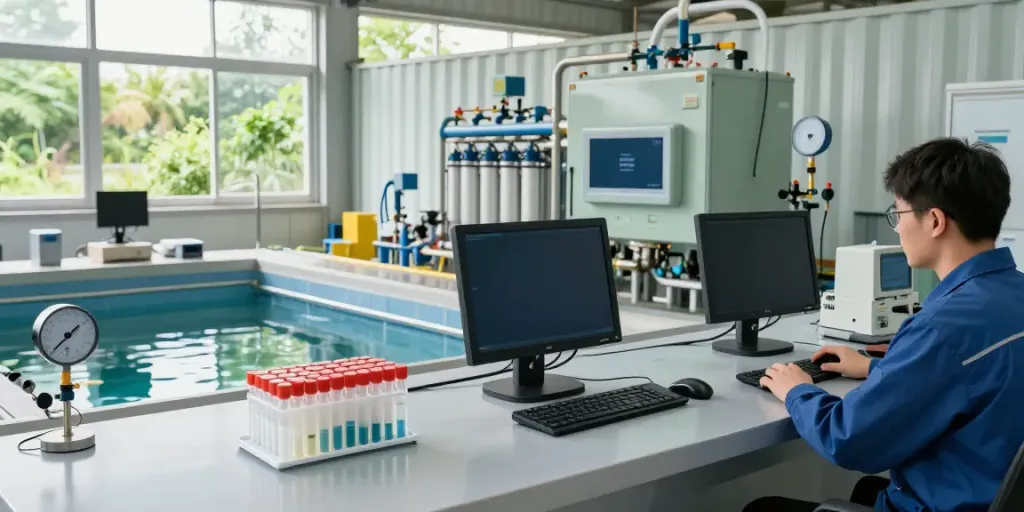
Containerized reclaimed water systems provide a highly efficient solution for wastewater treatment. Their modular design allows for quick installation and flexibility to adapt to different site conditions. These systems typically integrate advanced technologies like MBR and RO, which significantly enhance the quality of treated water compared to traditional methods. The compact nature of containerized solutions not only saves space but also reduces transportation and installation costs.
Environmental Sustainability and Resource Conservation
By implementing containerized reclaimed water systems, organizations can play a crucial role in promoting environmental sustainability. These systems are designed to minimize water wastage, thereby contributing to effective resource conservation. Additionally, they support sustainable practices by providing high-quality water for various applications, thus reducing the need for freshwater extraction. Moreover, utilizing reclaimed water decreases the environmental impact associated with wastewater discharge into natural water bodies.
Cost-Effectiveness for Industries
One of the most compelling reasons for industries to adopt reclaimed water systems is the potential for cost savings. By treating and reusing their wastewater, businesses can lower their water acquisition costs and reduce treatment expenses associated with disposal. Additionally, utilizing reclaimed water for non-potable applications, such as cooling processes or irrigation, can lead to significant operational savings while enhancing their sustainability profile.
Implementing Reclaimed Water Solutions in Various Sectors
Municipal Applications for Water Reuse
Municipalities are increasingly turning to reclaimed water solutions to address water scarcity and manage wastewater effectively. Applications include landscape irrigation, park maintenance, and even potable reuse in some cases. By treating wastewater to a high standard, cities can ensure a reliable supply of water for public use, especially during dry spells. Moreover, implementing such systems can enhance community resilience to climate impacts and reduce the burden on existing water infrastructure.
Industrial Water Recycling Best Practices
Industries can implement various best practices to maximize the benefits of reclaimed water systems. Firstly, conducting thorough assessments of water needs can help in designing a system that meets specific operational requirements. Secondly, integrating advanced monitoring technologies can ensure the quality of reclaimed water remains consistent. Finally, educating employees about the benefits and uses of reclaimed water can foster an organizational culture that prioritizes sustainability.
Decentralized Systems for Remote Locations
Containerized reclaimed water systems are particularly beneficial in remote or decentralized locations where traditional infrastructure may not be feasible. These systems can be deployed quickly and efficiently, providing local communities with a sustainable source of water for irrigation, sanitation, and even potable uses. Their modular design allows for easy relocation and scaling based on community needs, making them ideal for rural areas and disaster relief scenarios.
Challenges and Misconceptions Surrounding Reclaimed Water
Common Misunderstandings of Safety Standards
Despite the advances in technology, misconceptions regarding the safety of reclaimed water persist. Many people mistakenly believe that reclaimed water is unsafe due to its origins. In reality, reclaimed water undergoes rigorous treatment processes to ensure it meets strict regulatory standards for various uses. Educating the public on the treatment processes and safety measures in place is essential for reducing stigma and increasing acceptance.
Technological Limitations and Advances
While reclaimed water systems offer numerous benefits, there are also technological limitations that need to be addressed. For instance, some systems may struggle with certain contaminants, which can affect water quality. However, continuous advancements in treatment technologies, such as improved filtration membranes and disinfection methods, are paving the way for more efficient and safer reclaimed water systems. Staying abreast of these developments is crucial for maximizing system performance.
Regulatory Hurdles and Compliance
Implementing reclaimed water systems can also be complicated by regulatory hurdles. Different jurisdictions have varying regulations regarding the use of reclaimed water, which can complicate implementation. Engaging with regulatory agencies early in the planning process and ensuring compliance with local laws can help mitigate these challenges and facilitate smoother deployment.
The Future of Reclaimed Water Systems Beyond 2026
Emerging Technologies in Water Treatment
The future of reclaimed water systems is poised for transformation with the emergence of new technologies. Innovations such as AI-driven monitoring systems that enhance operational efficiency and predictive maintenance will play a significant role in future developments. Additionally, advancements in nanotechnology and biological treatments are expected to improve the efficiency of contaminant removal, further enhancing water quality.
Trends in Sustainability and Policy Changes
As water scarcity continues to be a global issue, sustainability trends and policy changes will increasingly favor the adoption of reclaimed water practices. Governments worldwide are expected to incentivize water recycling initiatives through subsidies and grants, promoting the integration of reclaimed water solutions across various sectors. This shift is likely to be accompanied by stricter regulations on freshwater usage, further pushing industries and municipalities towards reclaimed water adoption.
Predictions for Reclaimed Water Market Growth
The market for reclaimed water systems is expected to witness substantial growth in the coming years. As awareness of water scarcity and the benefits of recycling grows, more organizations will seek to implement reclaimed water solutions. This demand will drive innovations and competition within the sector, leading to more cost-effective and efficient systems. Market projections indicate that by 2026, the reclaimed water market could grow significantly, emphasizing the need for stakeholders to adapt and invest in these sustainable solutions.
What are the advantages of reclaimed water systems?
Reclaimed water systems offer numerous advantages, including reduced freshwater consumption, environmental protection through lower wastewater discharge, cost savings for industries, and the creation of sustainable water sources for various applications. Their ability to provide reliable water supplies makes them critical for fostering resilience in both urban and rural communities.
How do reclaimed water systems ensure safety?
Safety in reclaimed water systems is ensured through comprehensive treatment processes that include multiple stages of filtration and disinfection. Regulatory standards dictate the quality of reclaimed water for specific uses, and continuous monitoring ensures that these standards are met consistently. This robust framework is essential for instilling public confidence in reclaimed water use.
Can reclaimed water be used for drinking purposes?
Yes, reclaimed water can be treated to meet potable standards, especially in regions where freshwater resources are scarce. Advanced treatment technologies such as reverse osmosis and advanced oxidation processes can effectively remove contaminants, making the water safe for consumption. However, such initiatives require rigorous regulatory oversight and community acceptance.
What industries benefit most from reclaimed water systems?
Industries such as agriculture, manufacturing, and landscaping benefit significantly from reclaimed water systems. Agricultural operations can use reclaimed water for irrigation, reducing reliance on freshwater sources. In manufacturing, reclaimed water can be used for processes such as cooling and cleaning, enhancing operational sustainability while minimizing costs.
How to get started with reclaimed water systems?
To get started with reclaimed water systems, organizations should begin by conducting a thorough needs assessment to identify water usage patterns. Collaborating with experts in water treatment and technology is crucial for designing a system that meets specific requirements. Additionally, engaging with regulatory agencies early in the planning process is essential for ensuring compliance and facilitating approvals.