Understanding the Aerospace CNC Machining Landscape
The aerospace industry is one of the most demanding sectors when it comes to precision manufacturing due to its stringent safety and performance requirements. As one of the leading aerospace cnc parts manufacturers, Honscn has been at the forefront of providing high-quality CNC machining services since 2003, specializing in the development and on-demand production of custom aerospace prototypes and parts.
What Are Leading Aerospace CNC Parts Manufacturers?
Leading aerospace CNC parts manufacturers are companies that provide precision-engineered components for aircraft, spacecraft, and related systems. These manufacturers utilize advanced CNC machining techniques to create parts that meet strict regulatory standards and specifications, thereby ensuring reliability and safety.
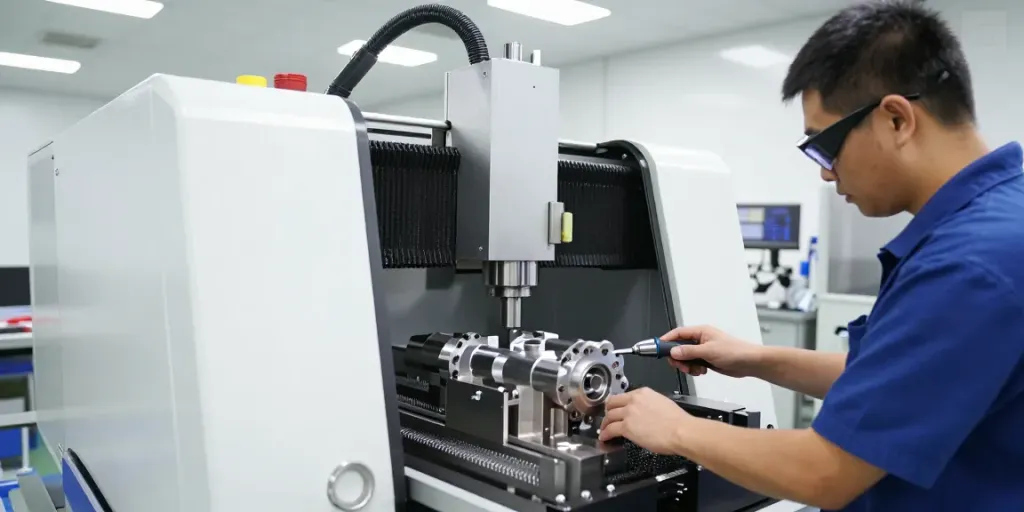
The capacity to produce intricate components with tight tolerances is essential in this industry. Such capabilities include CNC milling, turning, and multi-axis machining, which allow for the efficient production of complex geometries found in modern aerospace applications.
Key Trends in Aerospace CNC Machining for 2026
The aerospace CNC machining landscape is continuously evolving, with several key trends shaping the future of manufacturing in this sector. Among these trends are:
- Increased Automation: The integration of automation technologies is streamlining production processes, reducing lead times, and increasing efficiency.
- Sustainability Initiatives: Manufacturers are increasingly adopting sustainable practices, including the use of recyclable materials and energy-efficient machines.
- Advanced Materials: The rise of advanced materials, such as composites and lightweight alloys, is driving innovations in machining techniques and tooling.
- Data-Driven Manufacturing: The application of data analytics and IoT technologies is enhancing predictive maintenance and quality control measures.
Challenges Facing the Aerospace Manufacturing Industry
While advancements in CNC machining offer numerous benefits, the aerospace industry still faces several significant challenges:
- Regulatory Compliance: Navigating the complex landscape of regulations and standards for aerospace components can be daunting.
- Supply Chain Disruptions: Global supply chain interruptions can impact material availability and project timelines.
- Skill Shortages: The industry is experiencing a talent gap, particularly in skilled machinists and engineers.
Precision Machining Techniques and Services
Common CNC Machining Methods Used in Aerospace
Precision is critical in aerospace machining. The most commonly employed CNC machining methods include:
- CNC Milling: Perfect for creating complex shapes and features, CNC milling machines use rotating cutters to remove material from a workpiece.
- CNC Turning: CNC lathes are used to produce cylindrical parts, achieving high precision in dimensions and smooth surfaces.
- 5-Axis Machining: This high-end machining method utilizes five axes of movement to create intricate geometries with varied angles and surfaces.
Material Selection for Aerospace Components
Material selection plays a pivotal role in aerospace manufacturing. Key factors include weight, strength, and resistance to environmental conditions. Common materials used in aerospace CNC machining include:
- Metals: Aluminum alloys, titanium, and stainless steel.
- Plastics: Advanced polymers such as PEEK and POM are utilized for their lightweight and durable properties.
- Composites: Carbon fiber reinforced polymers are becoming increasingly popular for their high strength-to-weight ratio.
Benefits of Rapid Prototyping in Aerospace Projects
Rapid prototyping allows aerospace manufacturers to quickly create and test prototypes, facilitating a more streamlined design process. This approach offers several advantages:
- Cost Efficiency: Reduces the overall cost of product development by minimizing waste and optimizing resources.
- Speed: Accelerates the development timeline, enabling faster time-to-market.
- Design Validation: Provides opportunities for testing and refining designs before full-scale production.
Quality Standards and Certifications in Aerospace Manufacturing
Understanding AS9100 Certification Requirements
AS9100 certification is essential for aerospace manufacturers, ensuring that they meet the specific quality management system (QMS) requirements necessary for the industry. The certification involves rigorous audits and compliance with standards that cover product safety, reliability, and quality assurance.
Importance of Quality Assurance in CNC Machining
Quality assurance is critical in aerospace CNC machining to ensure that components meet stringent specifications. Implementing robust QA protocols involves:
- Regular Inspections: Frequent checks during the manufacturing process to identify and rectify defects.
- Testing: Conducting performance and durability tests on critical components.
- Documentation: Maintaining detailed records of quality control processes and outcomes.
Case Studies of Successful Aerospace Projects
Studying successful aerospace projects provides valuable insights into best practices and innovative approaches. For example, a leading aerospace manufacturer recently implemented a full-scale CNC machining operation resulting in:
- A 30% reduction in lead time for component production.
- Enhanced customization capabilities for complex designs.
- Improved collaboration between design and manufacturing teams through integrated software solutions.
Strategies for Effective Collaboration with Manufacturers
Best Practices for Communicating with CNC Suppliers
Effective communication with CNC suppliers is crucial for successful project outcomes. Companies should focus on:
- Clear Specifications: Providing detailed drawings and specifications to avoid misunderstandings.
- Regular Updates: Keeping lines of communication open throughout the production process for updates and adjustments.
- Feedback Loops: Establishing a system for giving and receiving feedback to facilitate continuous improvement.
Managing Supply Chain Risks in Aerospace Production
Managing supply chain risks is essential for maintaining production schedules and quality. Utilizing techniques such as dual sourcing, closer relationships with suppliers, and real-time inventory management can mitigate potential disruptions.
Leveraging Technology for Improved Collaboration
Embracing technology can enhance collaboration between organizations and their CNC suppliers. Tools such as:
- Cloud-based Platforms: Facilitate real-time sharing of designs and project updates.
- Digital Twins: Allow for virtual testing and simulations before physical production.
- Machine Learning: Can predict maintenance needs, improving overall equipment efficiency.
Looking Ahead: The Future of Aerospace CNC Machining
Innovations Shaping Aerospace Manufacturing in 2026
The next few years will see significant innovations in aerospace CNC machining, driven by advancements in technology and materials. Key innovations include:
- Artificial Intelligence: AI systems can optimize machining processes and reduce errors through predictive analytics.
- 3D Printing: Additive manufacturing is revolutionizing the production of complex aerospace parts.
- Smart Factories: The move towards fully integrated, automated factories will enhance efficiency and reduce costs.
Emerging Technologies and Their Impact on CNC Machining
Emerging technologies such as nanomaterials and advanced robotics will significantly impact the future of CNC machining in aerospace, allowing for the development of stronger, lighter components with enhanced performance characteristics.
Preparing for the Future Workforce in Aerospace Engineering
Ultimately, the success of the aerospace industry will depend on preparing the future workforce through educational initiatives, apprenticeships, and industry partnerships that promote skills in CNC machining, engineering, and technology.