Understanding Bacteriostatic Water: Importance and Applications
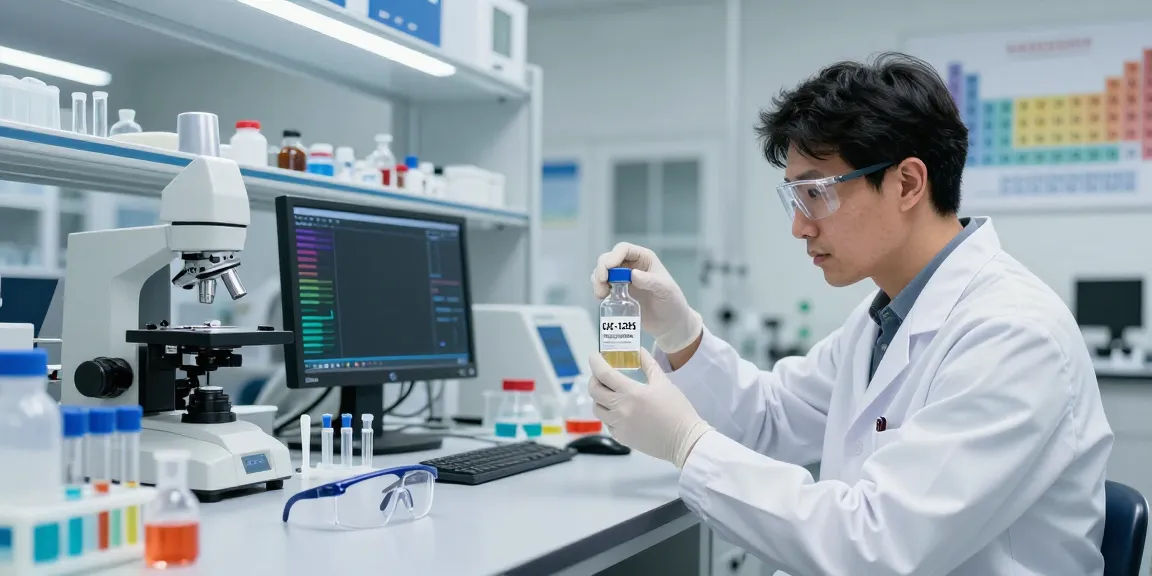
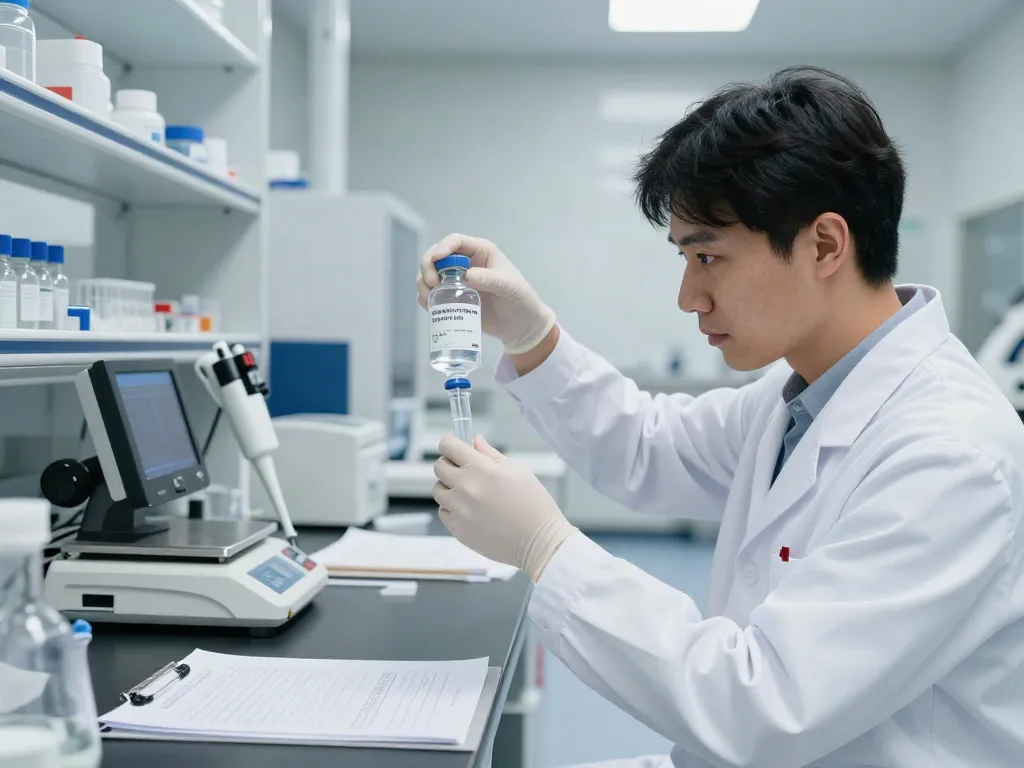
Bacteriostatic water is an essential component in various scientific research fields, particularly in the reconstitution of peptides, proteins, and other compounds. Researchers rely on this specialized water for its ability to inhibit bacterial growth, thus extending the shelf life of sensitive products. As laboratories strive for precision and reliability in their experiments, understanding the importance and applications of bacteriostatic water becomes paramount. When exploring options, bacteriostatic water for sale can provide comprehensive insights into available products that meet rigorous quality standards.
What is Bacteriostatic Water?
Bacteriostatic water is a sterile water solution that contains a small percentage of benzyl alcohol (typically 0.9%) to inhibit the growth of bacteria. This makes it suitable for the reconstitution of medications and compounds that require a sterile environment, particularly in laboratory settings. Unlike other forms of water, bacteriostatic water is specifically formulated for medical and research purposes, where cross-contamination and bacterial growth can significantly affect experimental results.
Key Uses in Scientific Research
In the realm of scientific research, bacteriostatic water is commonly used for various applications, such as:
- Reconstitution of Medications: It serves as a diluent for injectable medications, ensuring they remain sterile and free from microbial contamination.
- Preparation of Solutions: Researchers often use it to prepare solutions of peptides and proteins, which require a stable and sterile medium.
- In Vivo Studies: In biological and medical research, bacteriostatic water is essential for preparing samples for injection into animal models.
Benefits of Using High-Quality Bacteriostatic Water
Utilizing high-quality bacteriostatic water offers several advantages, making it a preferred choice for researchers:
- Inhibition of Bacterial Growth: The presence of benzyl alcohol effectively reduces bacterial contamination, ensuring the integrity of research materials.
- Stable and Reliable Results: High-quality bacteriostatic water minimizes variability, allowing for consistent dosing and reliable experimental outcomes.
- Extended Shelf Life: By inhibiting microbial growth, bacteriostatic water prolongs the usability of reconstituted compounds, reducing waste and cost.
Evaluating Quality: Essential Criteria for Purchase
When purchasing bacteriostatic water, it is crucial to evaluate its quality to ensure compliance with research standards. Here are essential criteria to consider:
Third-Party Testing and Verification
High-quality bacteriostatic water products should be independently tested by accredited laboratories. This verification process confirms the authenticity and purity of the product, providing peace of mind to researchers. Testing ensures that the water meets stringent protocols for sterility and quality, which are vital in laboratory environments where precision is non-negotiable.
Understanding Certificates of Analysis (COA)
A Certificate of Analysis (COA) is a critical document that accompanies bacteriostatic water purchases, detailing the testing results for each batch. It should include information about the composition, sterility, and any contaminants present. Always review the COA before making a purchase to verify that the bacteriostatic water meets the required specifications for your research.
Purity and Concentration Standards
When selecting bacteriostatic water, the purity and concentration levels should adhere to established standards. Look for products that clearly state their benzyl alcohol concentration, which typically should be around 0.9% to be effective. Ensuring that the water is free from other contaminants is essential to avoid any negative impacts on experimental results.
Top Suppliers of Bacteriostatic Water for Sale in 2026
The market for bacteriostatic water is competitive, with various suppliers offering different products. Understanding the leading suppliers can aid researchers in making informed decisions. Here are some features to consider:
Features of Leading Suppliers
Top suppliers of bacteriostatic water typically provide:
- Comprehensive Testing: Independent third-party lab results that verify the quality of their products.
- Clear Documentation: Accessible Certificates of Analysis that are transparent and readily available for review.
- Fast Shipping Options: Same-day or expedited shipping to ensure that researchers receive their materials promptly.
Price Comparisons and Value Considerations
While price is a significant factor, it’s essential to consider the overall value when purchasing bacteriostatic water. Higher-priced products may offer additional assurances of quality and reliability, whereas cheaper options could compromise research integrity. Therefore, comparing prices alongside quality indicators such as testing documentation and supplier reputation is crucial.
Customer Reviews and Testimonials
Researching customer feedback can provide insights into the quality and reliability of bacteriostatic water suppliers. Look for testimonials that highlight experiences related to product performance, shipping reliability, and customer service to gauge the overall satisfaction level.
Challenges in Sourcing Bacteriostatic Water
Sourcing bacteriostatic water can sometimes present challenges for researchers. Understanding these challenges can help navigate the purchasing process more effectively.
Common Misconceptions
One common misconception is that all bacteriostatic water is created equal. In reality, variations exist in quality, concentration, and the integrity of suppliers. It’s vital to conduct thorough research and verification before making a purchase to ensure the selected product meets specific research needs.
Legal and Safety Considerations
Legal regulations surrounding the sale and distribution of bacteriostatic water vary by jurisdiction. Researchers should familiarize themselves with the relevant laws to ensure compliance. Additionally, the safety of handling and storage is paramount, necessitating that materials are kept in controlled environments to prevent degradation.
Best Practices for Ordering and Handling
To mitigate risks when ordering bacteriostatic water, researchers should follow best practices, such as:
- Always order from reputable suppliers with verified product quality.
- Store bacteriostatic water in appropriate conditions to preserve its effectiveness.
- Regularly check the expiration dates and documentation provided with each batch.
Future Trends in Bacteriostatic Water and Research Chemicals
As the research landscape evolves, so too does the market for bacteriostatic water and related chemicals. Staying informed about future trends allows researchers to anticipate changes that may affect their work.
Emerging Technologies and Innovations
Advancements in purification technologies are expected to enhance the quality of bacteriostatic water, leading to more effective and reliable products. Innovations in packaging and distribution may also improve accessibility for researchers worldwide.
Projected Changes in Regulations
As scientific research advances, regulatory bodies may implement stricter guidelines regarding the production and sale of research chemicals, including bacteriostatic water. Keeping abreast of these changes will be crucial for compliance and safety in laboratory settings.
Anticipated Market Developments for 2026 and Beyond
The demand for bacteriostatic water is projected to increase as research areas expand, particularly in pharmaceuticals and biotechnology. Suppliers will need to adapt to these changes by offering high-quality products that meet growing expectations from researchers.
What are the storage requirements for bacteriostatic water?
Bacteriostatic water should be stored at controlled room temperature away from direct sunlight to maintain its effectiveness. Always check the storage guidelines provided by the manufacturer.
How do I verify the authenticity of my bacteriostatic water?
To verify the authenticity, ensure you request and review the Certificate of Analysis from your supplier. This document should detail the testing results for the batch you received.
Is bacteriostatic water safe for all applications?
Bacteriostatic water is intended solely for laboratory and in vitro research applications. It is essential to adhere to safety guidelines and ensure it is not used for human or animal consumption.
Can I find bacteriostatic water locally?
Yes, some local pharmacies and medical supply stores may carry bacteriostatic water. However, it’s advisable to verify the product's quality and documentation from suppliers.
What should I look for in a Certificate of Analysis?
When reviewing a COA, check for critical information such as batch number, testing date, results for microbial content, and the concentration of benzyl alcohol. Ensuring these factors align with your requirements is crucial for research integrity.