
Understanding the Reggio Emilia Approach
The Reggio Emilia Approach is a child-centered educational philosophy that originated in the city of Reggio Emilia, Italy, post-World War II. It emphasizes a framework for early childhood education that recognizes children as capable, curious, and full of potential. This approach encourages active exploration and discovery, allowing children to learn through their experiences. The philosophy promotes a unique learning environment where children engage in self-directed and collaborative learning, helping them develop critical thinking and problem-solving skills. For those interested in the Reggio Emilia Approach, Reggio Emilia Approach provides comprehensive insights into how these principles can be effectively integrated into early childhood education.
What is the Reggio Emilia Approach?
The Reggio Emilia Approach is not merely an educational curriculum but a holistic philosophy of education that is grounded in the belief that children are resourceful, curious, and capable learners. It fosters a supportive environment where children are encouraged to express themselves, explore their interests, and develop a sense of belonging. The approach is characterized by several key elements, including a strong emphasis on community involvement, collaborative learning, respect for the child's voice, and the use of the environment as a tool for learning.
Core Principles of the Reggio Emilia Approach
- Child as Protagonist: Children are viewed as active participants in their own learning process.
- Environment as the Third Teacher: The learning environment is carefully designed to enhance exploration, creativity, and interaction.
- Documentation of Learning: Teachers document children’s activities and learning processes, allowing for reflection and sharing.
- Collaboration and Community: Learning occurs in social contexts, fostering collaboration among children, teachers, and families.
- Emergent Curriculum: The curriculum develops from children's interests, ideas, and questions rather than from a predetermined structure.
Historical Context and Development
The Reggio Emilia Approach emerged in the aftermath of World War II, initiated by educators in the Reggio Emilia region of Italy who sought to create a new educational model. Loris Malaguzzi, a key figure in this movement, emphasized the importance of community and parent involvement in education. Over the decades, the approach has gained international recognition and has influenced educational practices worldwide, particularly in early childhood education.
Implementing the Reggio Emilia Approach in Preschool
Implementing the Reggio Emilia Approach in preschool settings requires a thoughtful commitment to creating a platform for inquiry-based learning. Educators need to create environments where children feel safe and encouraged to express themselves. This process often involves training educators in recognizing and responding to children's interests, as well as designing learning experiences that foster inquiry.
Creating an Inquiry-Based Learning Environment
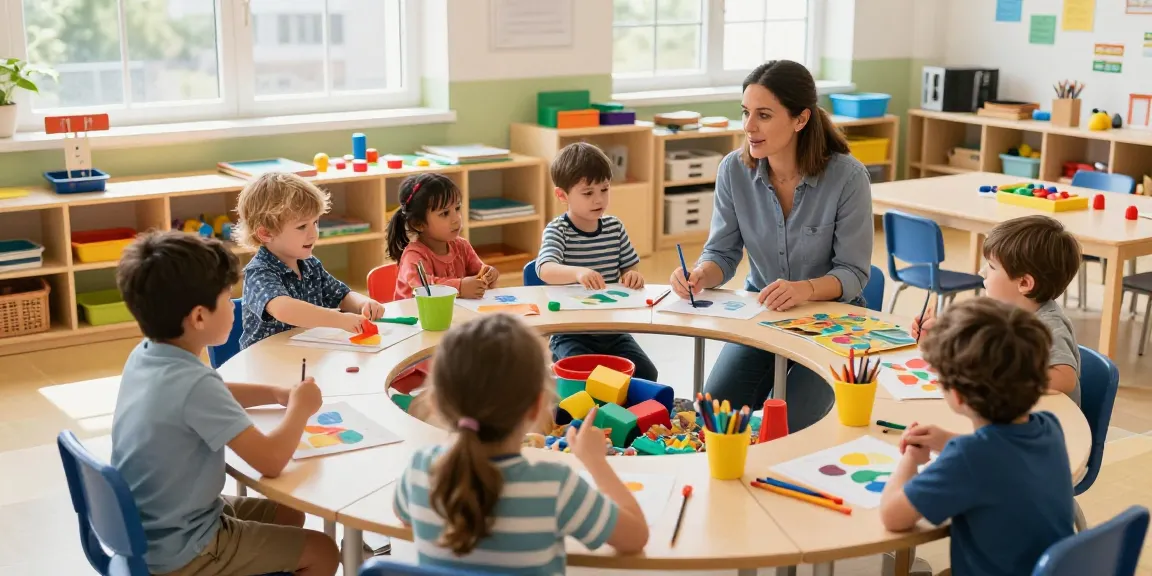
In a Reggio Emilia-inspired classroom, the environment is intentionally designed to promote inquiry and exploration. Classrooms are filled with materials that are open-ended, inviting children to manipulate, create, and innovate. Spaces are organized to facilitate group work, conversations, and independent exploration, allowing children to choose their learning paths as they engage with various activities.
Strategies for Facilitating Child-Led Learning
- Observation: Educators observe children’s interactions and play to understand their interests and developmental needs.
- Documentation: Keeping records of children’s activities allows educators to plan further learning experiences that build on children’s interests.
- Open-Ended Questions: Asking open-ended questions encourages children to think critically and articulate their thoughts.
- Project Work: Engaging children in long-term projects based on their interests fosters deeper learning and collaboration.
Incorporating Arts and Creative Expression
Art is a significant component of the Reggio Emilia Approach, serving as a vital medium for children to express their thoughts and emotions. Creative expression is interwoven into various activities, allowing children to explore different artistic techniques, collaborate with peers, and engage in self-reflection. By providing access to diverse materials such as clay, paint, and fabric, children can communicate their ideas visually and tangibly.
Benefits of the Reggio Emilia Approach
Adopting the Reggio Emilia Approach has numerous benefits that can significantly impact children's personal and academic development. This methodology is designed to promote comprehensive growth in various domains, preparing children for a future of lifelong learning.
Fostering Curiosity and Critical Thinking
One of the most notable benefits of the Reggio Emilia Approach is its ability to foster curiosity in children. By encouraging them to ask questions and pursue their interests, children develop critical thinking skills. This inquiry-based learning nurtures their natural desire to explore the world, leading to profound engagement with the learning process.
Developing Social Skills through Collaboration
Through collaborative projects and group activities, children learn to communicate effectively, share ideas, and develop social skills. The emphasis on teamwork in the Reggio Emilia Approach allows children to understand the value of working together and fosters a sense of community within the classroom.
Preparing Children for Lifelong Learning
The holistic nature of the Reggio Emilia Approach helps children develop a love for learning that extends beyond the classroom. By engaging with diverse experiences and collaborating with peers and educators, children become adaptable and resilient learners, prepared to face challenges in their future educational pursuits.
Challenges in Adopting the Reggio Emilia Approach
While the Reggio Emilia Approach is widely praised, there are challenges to implementing it effectively in various educational settings. These challenges can include misconceptions, resource limitations, and the need for specialized training for educators.
Common Misconceptions about Inquiry-Based Learning
Many educators and parents hold misconceptions that inquiry-based learning lacks structure or that it is simply play without educational value. In reality, inquiry-based learning is well-planned and requires thoughtful strategies to guide children's exploration while ensuring that educational goals are met.
Overcoming Resource Limitations
Implementing the Reggio Emilia Approach often requires substantial resources, including materials, training, and space. Schools may face budget constraints that limit their ability to fully adopt this approach. Finding creative solutions, such as community partnerships and resource sharing, can help schools overcome these limitations.
Training Educators in the Approach
Educators need training and support to effectively implement the Reggio Emilia Approach. Professional development opportunities can equip teachers with the tools to foster inquiry-based learning and to document children’s processes effectively. Ensuring that educators have access to ongoing training is essential for the success of this approach.
Future Trends and Innovations in Early Childhood Education
The landscape of early childhood education is continually evolving. As more educators and institutions adopt the Reggio Emilia Approach, we can expect to see emerging trends that incorporate technology, emotional intelligence, and global perspectives.
Integrating Technology with the Reggio Emilia Approach
With the rise of technology in education, integrating digital tools can enhance the Reggio Emilia Approach without compromising its core principles. Educators can use technology to document children's learning processes, facilitate communication, and provide access to diverse resources, thus encouraging children's creativity and exploration in new ways.
Emphasizing Emotional Intelligence and Well-Being
Future educational trends will increasingly focus on the emotional and social well-being of children. The Reggio Emilia Approach aligns well with this trend by fostering supportive relationships and promoting an understanding of emotions among peers. As emotional intelligence becomes recognized as a critical component of success, this approach will remain relevant.
Global Perspectives on Early Childhood Education by 2026
By 2026, we can anticipate a greater integration of global perspectives in early childhood education. This shift will highlight the importance of cultural diversity and inclusivity, enabling children to appreciate different backgrounds while learning essential skills for navigating an increasingly interconnected world.
What are the key benefits of the Reggio Emilia Approach?
The key benefits of the Reggio Emilia Approach include fostering curiosity, developing social skills, and preparing children for lifelong learning. This approach emphasizes exploration, creativity, and collaboration, equipping children with the skills they need to succeed.
How can parents support the Reggio Emilia Approach at home?
Parents can support the Reggio Emilia Approach by encouraging their children’s interests, providing open-ended materials for exploration, and engaging in meaningful conversations about their learning experiences. Involvement in projects and activities that reflect their child's interests can enhance the effectiveness of this approach.
What training is available for educators in this approach?
Many organizations offer workshops and training programs focused on the Reggio Emilia Approach. These programs typically cover the philosophy, practical implementation strategies, and the essential role of documentation and assessment in supporting child-led learning.
How does the Reggio Emilia Approach differ from traditional methods?
The Reggio Emilia Approach differs from traditional methods by emphasizing children's roles as active, self-directed learners rather than passive recipients of information. It fosters collaboration and focuses on the child’s interests, rather than adhering strictly to a predetermined curriculum.
What role does the environment play in the Reggio Emilia Approach?
The learning environment is considered the "third teacher" in the Reggio Emilia Approach, where the setup and available materials actively promote exploration and learning. Spaces are designed to be inviting and flexible, allowing children to engage in various activities according to their interests.