
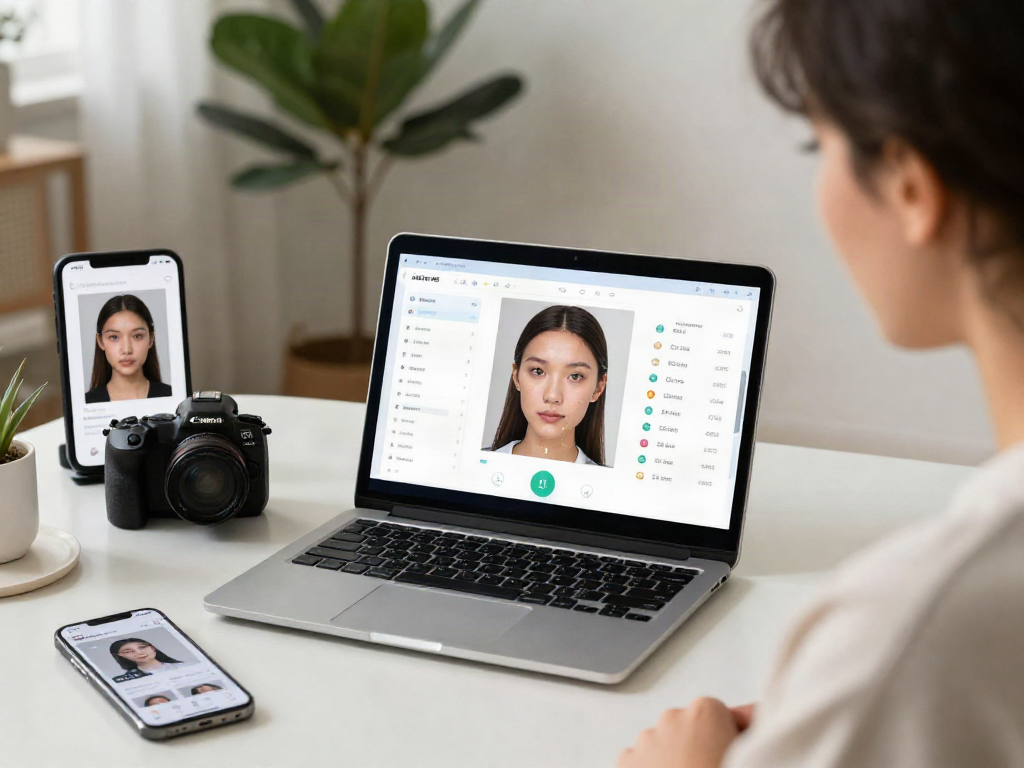
Understanding the Attractiveness Test
The concept of an attractiveness test has gained significant traction in recent years, merging technology with the age-old pursuit of beauty. These tests leverage artificial intelligence (AI) and algorithms to assess facial features and provide an analysis of one's attractiveness based on a variety of metrics. From facial symmetry to the golden ratio, these assessments aim to quantify beauty in a way that’s understandable and accessible. For those curious about their own appeal, engaging with an attractiveness test can offer fascinating insights into personal aesthetics.
What is an Attractiveness Test?
An attractiveness test is a digital examination that utilizes algorithms and AI to evaluate facial structures and features. Typically, users upload a photo of themselves, which the AI analyzes using various parameters such as facial symmetry, proportions, and the presence of features associated with conventional beauty standards. The outcome usually includes a score or rating, often accompanied by detailed feedback on specific features. This adaptation of technology into personal beauty analysis has transformed how individuals perceive and approach their appearances.
How the Science of Attractiveness Works
The scientific basis of attractiveness tests is deeply rooted in psychology and biology. Studies suggest that certain facial characteristics are universally perceived as attractive. For instance, symmetry is frequently associated with genetic health and fitness, making symmetrical faces more appealing in the eyes of many. Similarly, proportions that align with the golden ratio (approximately 1:1.618) are often found to be aesthetically pleasing. This scientific analysis allows attractiveness tests to provide a score that reflects not just personal opinion but also societal norms.
Common Misconceptions about Beauty Standards
Many misconceptions surround the topic of beauty standards, particularly the belief that attractiveness is entirely subjective. While personal preferences vary widely, certain attributes consistently emerge as desirable across cultures, often influenced by media representation and historical context. It’s crucial to recognize that beauty is not merely a checklist of features; emotional expressions and individual charisma also play significant roles in how attractiveness is perceived.
How to Prepare for Your Attractiveness Test
Selecting the Right Photo for Analysis
The first step in taking an attractiveness test is selecting an appropriate photograph. The image should clearly show your face, ideally taken in good lighting and from a straight-on angle. Avoid using photos with heavy filters, as this may distort the true representation of your features. A natural look will yield the most accurate results, so consider using a recent photo that reflects your current appearance.
Tips for Uploading Images Safely
When uploading images to an online attractiveness test platform, it's essential to ensure that your data is secure. Choose reputable sites with clear privacy policies that protect your information. Avoid sharing personal details, and consider using a photo that doesn't reveal other identifying characteristics if privacy is a concern. Furthermore, verify that the website utilizes encryption to safeguard your uploaded images.
Understanding Different Facial Features in the Context of Tests
Attractiveness tests often evaluate various facial features including the shape of the face, the width of the forehead, and the alignment of the eyes and lips. Understanding these elements can help you better interpret your results. For example, high cheekbones and well-defined jawlines are often associated with attractiveness in many cultures. Familiarizing yourself with these traits can provide deeper insight into the scores provided by the test and may guide future decisions related to personal grooming and styling.
The Mechanics Behind AI-Powered Attractiveness Testing
Facial Symmetry and Proportions Explained
Facial symmetry is a pivotal factor in attractiveness assessments. Research suggests that more symmetrical faces are generally perceived as more attractive because they are often associated with good health and genetic quality. Furthermore, the ideal proportions of facial features, such as the distance between the eyes and the width of the mouth, play an integral role in the scoring system. Understanding these parameters can offer insight into why certain features may elevate your attractiveness score.
The Role of Algorithms in Evaluations
Algorithms used in attractiveness tests are designed to analyze facial landmarks and measurements quickly and accurately. By mapping points on the face, the software can calculate ratios and symmetry, comparing them against established standards of beauty. Advanced AI systems even learn from vast datasets of human faces to refine their assessments continually, making the results more reliable over time.
Interpreting Scores and Feedback Effectively
The scores provided by attractiveness tests can vary widely, often represented on a scale from 1 to 10. Users should approach these scores with a balanced perspective. While a higher score can boost confidence, it is essential to remember that beauty is subjective and that the test is not a definitive measure of one's worth or desirability. Feedback typically includes suggestions for enhancing features, but it's essential to interpret these tips through the lens of personal style and comfort.
Real-World Applications of Attractiveness Tests
Personal Beauty Assessments and Self-Improvement
Attractiveness tests serve as valuable tools for self-evaluation. By understanding which aspects of their appearance are perceived as attractive, individuals can make informed choices regarding their grooming and styling. For instance, if a test indicates that certain hair colors or makeup styles enhance attractiveness, users may choose to explore these options to elevate their personal aesthetics.
How to Use Test Results for Professional Headshots
In professional contexts, particularly when using photographs for online profiles or CVs, understanding how to present oneself attractively can be pivotal. Test results can guide individuals in selecting the most flattering angles, hairstyles, and outfits for their professional images. Headshots that reflect an individual’s best features can make a lasting impression and contribute positively to their career aspirations.
Trends in Beauty and AI Technology for 2026
As we move into 2026, the intersection of beauty technology and AI will likely yield more personalized beauty solutions. Expect to see advancements in the algorithms used for attractiveness assessments, allowing them to incorporate more diverse beauty standards while being sensitive to cultural differences. This evolution will facilitate a broader understanding of attractiveness, helping individuals feel empowered in their beauty journeys.
Future Trends in Attractiveness Testing
The Rise of Personalized Beauty Solutions
As technology evolves, the demand for personalized beauty solutions is expected to increase. Attractiveness tests will likely play a significant role in this trend, allowing individuals to receive customized recommendations for skincare, makeup, and hairstyling that align with their unique facial features. This tailored approach to beauty will not only enhance physical appearance but also promote self-acceptance and confidence.
Ethical Considerations in Beauty Technology
With the proliferation of attractiveness testing and beauty technology, ethical considerations are paramount. Ensuring that tests are inclusive and do not promote narrow beauty standards will be critical in the evolving landscape. Companies must focus on ethical marketing practices that celebrate diversity and encourage self-love rather than perpetuating harmful stereotypes.
Predictions for AI's Influence on Beauty Standards
The influence of AI on beauty standards is likely to grow, reshaping societal perceptions of attractiveness. As AI technology continues to improve, it may challenge traditional norms and promote a more inclusive understanding of beauty. This shift could lead to a more diverse array of representations in media, helping individuals from all backgrounds feel valued and seen.
What factors influence results in an attractiveness test?
Multiple factors influence the results of attractiveness tests, including the specific algorithms used, the quality of the input image, and the cultural context surrounding beauty. Factors like lighting, angle, and facial expressions can all impact scores, underscoring the test's subjective nature.
Can attractiveness tests change how we perceive beauty?
While attractiveness tests can provide new insights into individual beauty, they should not dictate personal worth or self-esteem. They can serve as a tool for self-reflection and growth, potentially reshaping perceptions of beauty by highlighting unique features rather than conforming to conventional standards.
Are these tests scientifically proven?
Many aspects of attractiveness testing are grounded in established scientific research related to facial structure and societal standards of beauty. However, the subjective nature of attraction means that while these tests can provide insights, they are not definitive benchmarks for beauty.
How to interpret results from an attractiveness test?
Interpreting results from attractiveness tests requires a balanced perspective. Users should consider their scores as one part of a larger narrative about their appearance, reflecting both their unique features and the societal context. Feedback should be taken constructively, focusing on what resonates personally rather than as absolute truth.
What are the best practices for using attractiveness tests?
To make the most of attractiveness tests, begin with a clear, high-quality image. Approach your results with an open mind, using the feedback as a guide for exploration rather than a prescription for change. Remember that beauty is multifaceted and subjective; embracing personal individuality is the ultimate goal.