Understanding Facial Age Estimation
Have you ever looked in the mirror and wondered, "How old do I look?" This question isn't just about numbers; it taps into our perceptions of aging and beauty. In the digital age, various tools leverage artificial intelligence (AI) to answer this very question by analyzing facial features and characteristics. As technology advances, understanding these tools and their implications becomes crucial for both individual confidence and broader societal norms regarding age and beauty.
What Does "How Old Do I Look" Mean?
The phrase "how old do I look?" has gained traction, particularly in online platforms where individuals seek validation on their appearance. It evokes a sense of curiosity and often, the desire to compare one’s biological age with their chronological age. This inquiry can stem from a variety of motivations—ranging from self-esteem boosts to social presentation concerns. Moreover, it highlights the societal emphasis on youthfulness in contemporary culture, impacting how we perceive ourselves and others.
The Science Behind Age Estimation
Age estimation combines various scientific disciplines, including dermatology and psychology. Understanding how the human face ages involves recognizing the physical changes that occur over time, such as skin elasticity loss, bone structure alterations, and changes in pigmentation. Studies suggest that observers can make judgments about a person's age based on facial cues, supported by the idea that certain features are universally associated with aging.
How AI Technology Works in Facial Analysis
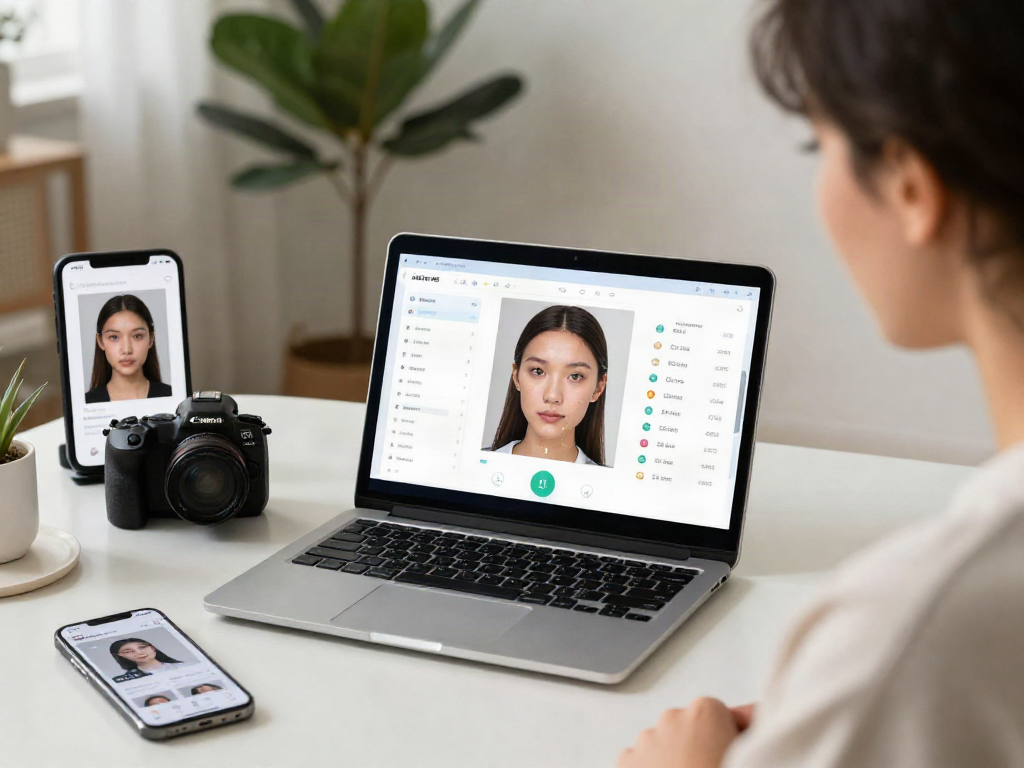
AI technology has revolutionized facial analysis by utilizing algorithms that process images to identify age-related features. These algorithms are trained on large datasets of images, allowing them to recognize patterns and make accurate predictions about perceived age. For instance, when users seek to find out how old do I look, they can upload a photo, and the AI analyzes features such as wrinkles, skin texture, and facial contours to estimate age. This not only provides a fun and engaging experience but also offers insights that can help individuals understand how they are perceived by others.
Factors Influencing Perceived Age
Skin Characteristics and Aging Signals
Several skin characteristics, including texture, tone, and the presence of blemishes, play crucial roles in perceived age. For instance, individuals with smoother skin tend to be perceived as younger, while those with wrinkles or age spots may be viewed as older. Other factors such as hydration levels, sun exposure, and skin care routines can significantly affect these characteristics, emphasizing the importance of a well-maintained skincare regimen.
The Role of Genetics in Appearance
Genetics is a fundamental factor influencing how we age. Different genetic makeups can predispose individuals to age-related conditions such as sagging skin, pigmentation issues, or even more severe dermatological conditions. Family history can serve as an indicator of how one might age; for example, those with relatives who maintained a youthful appearance may also enjoy similar benefits.
Influences of Lifestyle Choices on Aging
Lifestyle choices have a profound impact on perceived age. Factors such as diet, smoking, alcohol consumption, and physical activity level contribute to how we age visibly. A balanced diet rich in antioxidants, staying hydrated, and engaging in regular physical activity can aid in maintaining a youthful appearance. Conversely, unhealthy habits can accelerate signs of aging, leading to a stark contrast between one’s chronological and perceived age.
Popular Tools for Age Estimation
Reviewing Online Age Guesser Platforms
The rise of online age guesser platforms has allowed users to explore the question "how old do I look?" in an interactive manner. Popular tools like FaceAge.ai and Fotor enable individuals to upload photos and receive instant age estimates based on AI analyses. Such platforms provide not only entertainment but also a glimpse into the technology revolutionizing our understanding of aging.
Mobile Apps for Instant Age Estimation
Mobile applications have also emerged as convenient tools for age estimation. Apps like BeautyPlus and the Age Recognition App allow users to analyze their facial features on the go. These apps typically employ similar AI algorithms as their web counterparts, offering users real-time feedback about their perceived age with just a few taps on their screens.
Comparing Accuracy Among Different Tools
While various tools are available for age estimation, their accuracy can vary significantly. Factors affecting accuracy include the quality of the photo uploaded, the algorithms used, and the training data on which the AI models are based. It is advisable for users to experiment with multiple platforms to find the most reliable results, keeping in mind that AI technology is continually evolving.
Improving Your Appearance Over Time
Skin Care Routines for Youthful Look
A solid skincare routine can significantly enhance one’s appearance, helping maintain a youthful look. Key components should include regular cleansing, moisturizing, and the use of sunscreen to protect against UV damage. Additionally, incorporating products with ingredients like retinol and hyaluronic acid can promote skin renewal and hydration, contributing to a healthier complexion.
Makeup Techniques to Enhance Features
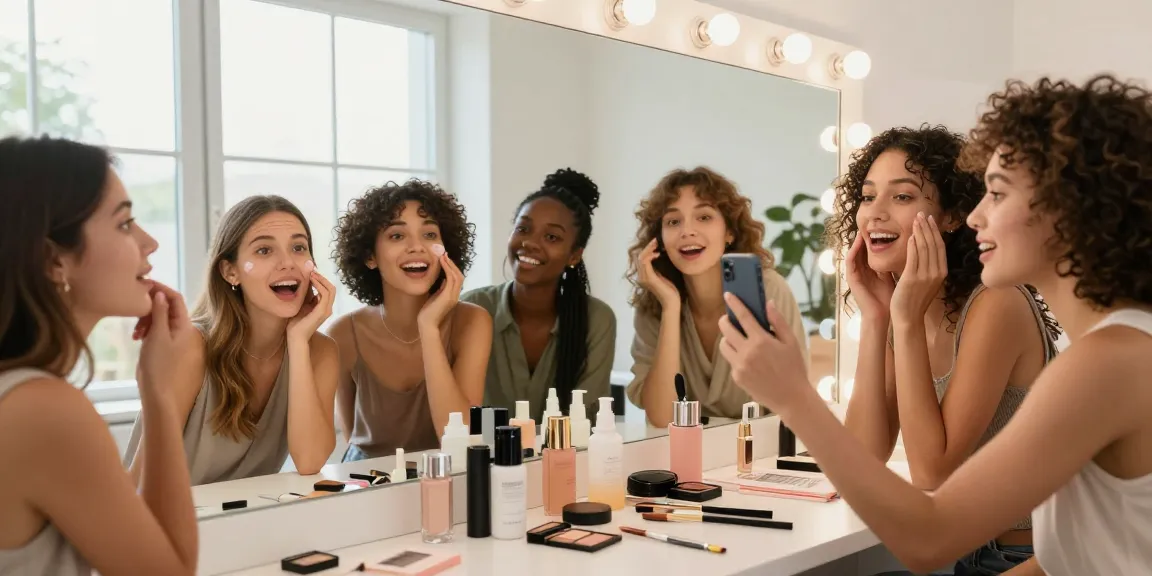
Makeup can be a powerful tool to enhance one’s features and create a more youthful appearance. Techniques such as using highlighter to emphasize cheekbones, opting for lighter shades to avoid harsh lines, and blending seamlessly can help achieve a naturally youthful look. Additionally, the right choice of foundation can smooth out imperfections while maintaining a natural finish.
Healthy Lifestyle Habits for Skin Longevity
Beyond skincare and makeup, adopting healthy lifestyle habits is essential for skin longevity. Regular exercise improves circulation, leading to a healthier complexion, while a diet rich in vitamins and minerals fosters skin health from within. Prioritizing adequate sleep is also crucial, as it allows the body time to repair and rejuvenate, significantly affecting overall appearance.
Future Trends in Age Estimation Technology
Emerging AI Innovations in Facial Analysis
The future of age estimation technology is promising, with emerging innovations likely to enhance the accuracy and efficacy of facial analyses. Advancements in machine learning and deep learning algorithms will enable more nuanced understanding of aging processes, leading to tools that can predict not just perceived age, but also give insights into future aging trends based on lifestyle and genetic factors.
Ethical Considerations for Age Detection Tools
As the use of AI in age detection becomes more widespread, ethical considerations must be addressed. Concerns regarding privacy, the potential for misuse of data, and the psychological effects of revealing age estimations are paramount. Developers are tasked with ensuring that these tools are used responsibly and ethically, protecting user data and promoting positive self-image.
Predictions for 2026: What’s Next?
By 2026, we can expect significant advancements in the realm of age estimation, particularly in personalization and user experience. Innovations may lead to tailored skincare recommendations based on AI analysis, integrating factors like climate conditions and individual skin types. Furthermore, the dialogue surrounding beauty standards and aging will likely continue to evolve, as technology provides new insights into these complex issues.
To summarize, understanding how old you look is not just about numbers, but a multifaceted exploration of science, lifestyle, and technology. As we engage with these tools, it's important to remember that beauty is timeless and subjective; our worth extends far beyond the perceptions of age.