Understanding Smart Home Technology and Its Benefits
Smart home technology has gained significant traction in recent years, revolutionizing the way we interact with our living spaces. By seamlessly integrating advanced devices and systems, homeowners can control everything from lighting and temperature to security and entertainment with a simple swipe on their smartphone. The journey into smart home automation not only enhances convenience but also significantly improves the efficiency of household management. When exploring options, جهان اسمارت provides comprehensive insights into the latest technologies and solutions available on the market.
What is Smart Home Technology?
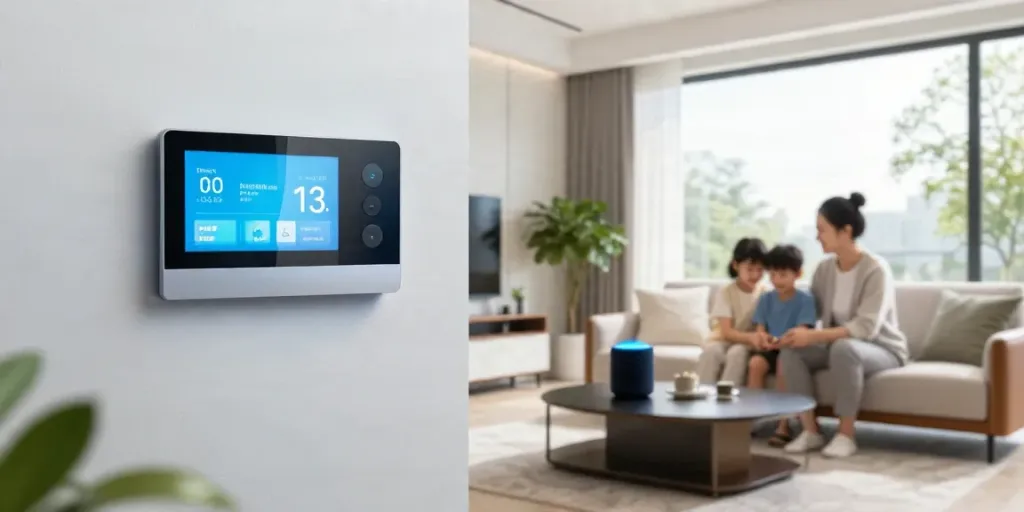
At its core, smart home technology refers to a collection of devices connected to the Internet that can be controlled remotely or programmed to perform specific tasks. These devices can operate independently or be integrated into a single control system, allowing homeowners to automate a variety of functions. Examples include smart thermostats that learn user preferences, automated lighting systems that adjust based on occupancy, and security cameras that provide real-time surveillance.
Key Benefits of Implementing جهان اسمارت Solutions
- Enhanced Convenience: Control your home environment from anywhere, anytime.
- Energy Efficiency: Smart devices can optimize energy consumption, leading to cost reductions.
- Improved Security: Advanced security systems can alert homeowners of any suspicious activity.
- Customized Living Experience: Personalize your home settings to fit your lifestyle.
Common Misconceptions About Smart Homes
Despite the growing popularity of smart homes, there are several misconceptions that often deter individuals from embracing this technology. One common myth is that smart homes are overly complicated to set up and use. However, with advancements such as plug-and-play devices and user-friendly apps, modern smart home systems are easier to install than ever. Another misconception is that these technologies are prohibitively expensive; in reality, numerous affordable options are available that can fit any budget.
Choosing the Right Products for Your Smart Home
Evaluating Essential Devices for Home Automation
When selecting smart home products, it is vital to identify which functions will best enhance your lifestyle. Essential devices typically include smart speakers, security cameras, smart locks, and thermostats. A well-planned selection will ensure a cohesive and efficient smart home system that meets your specific needs.
How to Select Compatible Smart Products
Compatibility is a crucial factor when building your smart home. Devices should ideally operate on the same platform or ecosystem to streamline control and functionality. Researching products that are compatible with your existing smart home system will save you time and effort in the long run.
Top Brands and Products in the جهان اسمارت Market
Several brands dominate the smart home market, each offering unique solutions. Companies like Google Nest, Amazon Alexa, and Apple HomeKit provide extensive ecosystems filled with innovative products. These brands are continuously evolving, integrating new technologies, and enhancing user experience, making them reliable choices for your smart home journey.
Installation and Setup of Smart Systems
Step-by-Step Guide to Installing Your Smart Home Devices
Setting up a smart home system can be straightforward if approached methodically. Follow these steps:
- Identify the devices you want to install.
- Read the manufacturer’s instructions carefully.
- Download any associated apps and create accounts.
- Connect devices to your home Wi-Fi network.
- Test your devices to ensure they are working correctly.
Best Practices for Connecting Smart Systems
To maximize the efficiency of your smart home, adhere to best practices such as regularly updating device firmware, creating secure passwords, and segmenting your home network for different devices. These steps will enhance the performance and security of your smart home setup.
Common Installation Challenges and Solutions
During installation, users may encounter various challenges, such as connectivity issues or device incompatibility. Troubleshooting these problems often involves checking your Wi-Fi signal strength, ensuring device compatibility, and consulting online forums or customer support for guidance. Being proactive can save you time and frustration in the long run.
Enhancing Security with Smart Home Technologies
Importance of Smart Security Systems
With increasing concerns over home security, smart technology can play a pivotal role in safeguarding your property. Smart security systems offer features like motion detection, remote monitoring, and real-time alerts, providing homeowners peace of mind. By leveraging these capabilities, individuals can significantly reduce the risk of break-ins or theft.
Innovative Products for Home Surveillance
Innovative products such as smart doorbells and security cameras have transformed home surveillance. These devices not only capture high-definition video footage but also allow for two-way communication, enabling homeowners to interact with visitors remotely. Investing in these technologies enhances the overall security framework of your home.
Real-World Examples of Enhanced Security
Many homeowners have successfully integrated smart security systems into their residences. For instance, a family in Los Angeles installed a smart doorbell that alerts them to visitors and package deliveries, significantly reducing theft. Such real-world examples showcase the effectiveness of smart technologies in enhancing home security.
Future Trends in Smart Home Technology by 2026
Emerging Technologies in the Smart Home Industry
As the smart home industry evolves, emerging technologies such as AI and machine learning are set to play a more significant role. These technologies can lead to more intuitive devices that learn user habits, resulting in an even more customized home experience.
Consumer Preferences and Expectations for 2026
By 2026, consumers will likely demand systems that not only offer basic automation but also integrate seamlessly into their daily routines. Features like advanced voice control and enhanced AI capabilities will become standard expectations, making it essential for brands to innovate continuously to keep up with consumer demands.
Predictions for the Future of Home Automation
As we move forward, the concept of the smart home will expand beyond mere automation to encompass sustainability and energy conservation. Future innovations may include smart energy management systems that optimize energy usage in real-time, contributing to a more eco-friendly lifestyle.
What Are the Security Risks of Smart Homes?
While smart homes offer numerous benefits, they also come with potential security risks. Cybersecurity threats such as hacking and unauthorized access to devices can compromise personal data and privacy. Homeowners must remain vigilant and implement robust security measures to protect their smart systems.
How Can I Ensure My Smart Home is Secure?
To secure your smart home, consider the following measures:
- Regularly update device software.
- Use strong, unique passwords for each device.
- Implement two-factor authentication where available.
- Segment your Wi-Fi network for smart devices.
What Are the Most Popular Smart Home Devices?
The market for smart home devices is rich with options, but some of the most popular include smart speakers, smart security cameras, smart thermostats, and smart lighting. These devices are characterized by ease of use and high levels of integration, making them ideal for households looking to enter the realm of home automation.
How Much Does It Cost to Automate a Home?
The cost of automating a home can vary significantly based on factors such as the number of devices, brand quality, and installation services. On average, homeowners can expect to spend between $1,000 and $5,000 for a complete smart home system. As competition grows, however, more affordable options are becoming available.
Can Smart Home Devices Work Together?
Yes, many smart home devices are designed to work together seamlessly. When selecting devices, look for those that are compatible with your existing smart home ecosystem. This compatibility allows for streamlined operation and enhances the overall efficiency of your home automation system.