Understanding Interior Design in Brooklyn
Interior design in Brooklyn is an evolving landscape that reflects the unique blend of cultural diversity and architectural heritage that this vibrant borough embodies. From the historic brownstones to modern apartment complexes, interior designers in Brooklyn are tasked with creating spaces that not only meet functional needs but also resonate with the personal styles of their clients. When exploring options, interior designer brooklyn offers comprehensive insights into transforming your space into a sanctuary of refined luxury.
The Role of an Interior Designer in Modern Homes
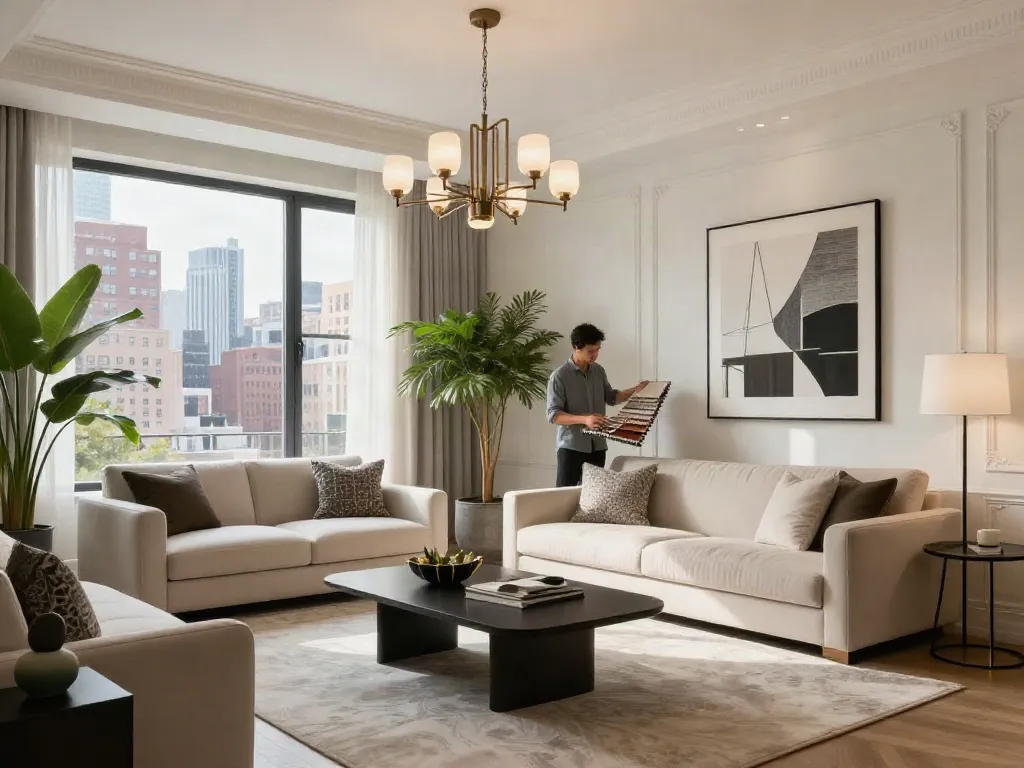
In modern homes, an interior designer plays a crucial role in harmonizing aesthetics with functionality. They address various aspects of a living space, including layout, color schemes, furniture selection, and lighting, ensuring that each element contributes to the overall feel of the home. This is especially important in smaller spaces commonly found in Brooklyn, where maximizing utility while maintaining style is essential. Designers work closely with clients to reflect personal tastes while offering professional advice on trends and materials.
Trends Shaping Interior Design in 2026
As we move into 2026, several key trends are shaping the interior design landscape. Sustainability continues to be at the forefront, with designers favoring eco-friendly materials and energy-efficient designs. Additionally, the integration of smart home technologies is becoming standard, allowing for enhanced comfort and convenience. Minimalist aesthetics, paired with bold color accents, are gaining popularity, as homeowners seek to create spaces that are both calming and vibrant.
Importance of Custom Furniture for Personalization
Custom furniture plays a vital role in personalizing an interior space. Unlike mass-produced items, custom pieces can be tailored to fit specific dimensions, styles, and functionalities that match the unique architecture of Brooklyn homes. This ensures that every item not only fits perfectly but also complements the overall design ethos of the space.
Finding the Right Interior Designer in Brooklyn
Choosing the right interior designer is essential for achieving the desired look and feel for your home. With numerous options available, it’s important to conduct thorough research and consider specific criteria to find a designer that aligns with your vision.
Key Qualities to Look for in an Interior Designer
When selecting an interior designer in Brooklyn, consider the following qualities:
- Experience: Look for designers with a proven track record in similar projects.
- Style Compatibility: Ensure their portfolio reflects a design aesthetic that resonates with your vision.
- Communication Skills: A good designer should be able to articulate their ideas clearly and listen to your needs.
- Project Management: Choose someone who understands how to manage timelines and budgets effectively.
How to Assess Interior Design Portfolios Effectively
Reviewing a designer’s portfolio is crucial in determining their suitability for your project. Pay attention to the diversity of their work, noting how they tackle different styles, spaces, and challenges. Look for:
- Variety: A good portfolio showcases a range of projects that indicate versatility.
- Detail: Examine the attention to detail in finishes, furnishings, and overall flow.
- Before and After: Transformation stories can provide insights into their design process and effectiveness.
Understanding Designer Pricing and Services
Interior design services vary in price based on experience, complexity of the project, and additional services offered, such as project management and procurement. Understanding how designers structure their pricing—whether by flat fee, hourly rate, or percentage of project cost—is vital for budgeting effectively. Don’t hesitate to ask for a breakdown of services included in the quoted fee.
Custom Cabinetry and Furniture: A Practical Approach
Custom cabinetry and furniture are essential elements of interior design that can significantly enhance both functionality and aesthetics. These bespoke solutions allow for a personalized approach to space management and style.
Benefits of Custom Cabinetry in Small Spaces
In Brooklyn, where space is often limited, custom cabinetry offers a tailored solution that maximizes storage without sacrificing design. Benefits include:
- Efficient Use of Space: Custom cabinetry can be designed to fit into awkward spaces, optimizing every inch.
- Personalization: Homeowners can choose materials, finishes, and layouts that align with their personal style.
- Quality Craftsmanship: Custom pieces are often built to last, using premium materials.
Top Materials for Building Durable Furniture
When investing in custom furniture, choosing the right materials is crucial for durability and aesthetic appeal. Some top materials include:
- Solid Wood: Known for its strength and timeless beauty, solid wood remains a preferred choice for quality furniture.
- Metal: Ideal for modern designs, metal provides a sleek look and durability.
- High-Quality Veneers: Offering a cost-effective alternative to solid wood, veneers can provide a luxurious appearance.
Incorporating Client Needs into Custom Designs
Every client has unique needs and preferences, which should be at the center of the design process. Through careful consultation and understanding of functional requirements, designers can create spaces that not only look great but also serve the client's day-to-day activities effectively. This level of personalization distinguishes bespoke design from mass-produced options.
Case Studies: Successful Projects in Brooklyn
Examining past projects provides insight into a designer’s capabilities and the potential outcomes for your own space. A few examples illustrate how thoughtful design can transform homes.
Transformational Home Makeovers: Real Examples
One compelling example is a recent renovation of a Brooklyn brownstone, where the designer reconfigured the layout to enhance flow and functionality. By combining modern materials with classic aesthetics, the transformation resulted in a space that respects its historical context while catering to contemporary needs.
Client Testimonials and Satisfaction Stories
Client testimonials can reveal much about a designer’s reliability and approach. Positive feedback often highlights excellent communication, creativity in problem-solving, and satisfaction with the finished product. Gathering testimonials from various sources can help to paint a fuller picture of what to expect.
Analyzing Design Challenges and Solutions
Every project presents unique challenges. For example, a recent project required balancing a tight budget with high design standards. The designer managed to source affordable yet stylish materials, demonstrating how creativity can overcome financial constraints without compromising quality.
Future Trends in Interior Design
Looking ahead, several trends are expected to shape the interior design industry in the coming years.
Sustainability Practices in Interior Design
As awareness of environmental issues grows, the demand for sustainable materials and practices in interior design is becoming the norm. Designers increasingly focus on eco-friendly options that promote sustainability without sacrificing style.
The Rise of Smart Home Integration
Smart home technology is rapidly transforming how we interact with our living spaces. Designers are now incorporating smart systems for lighting, heating, and security, offering clients modern solutions that enhance convenience and energy efficiency.
Emerging Color Schemes and Aesthetic Preferences in 2026
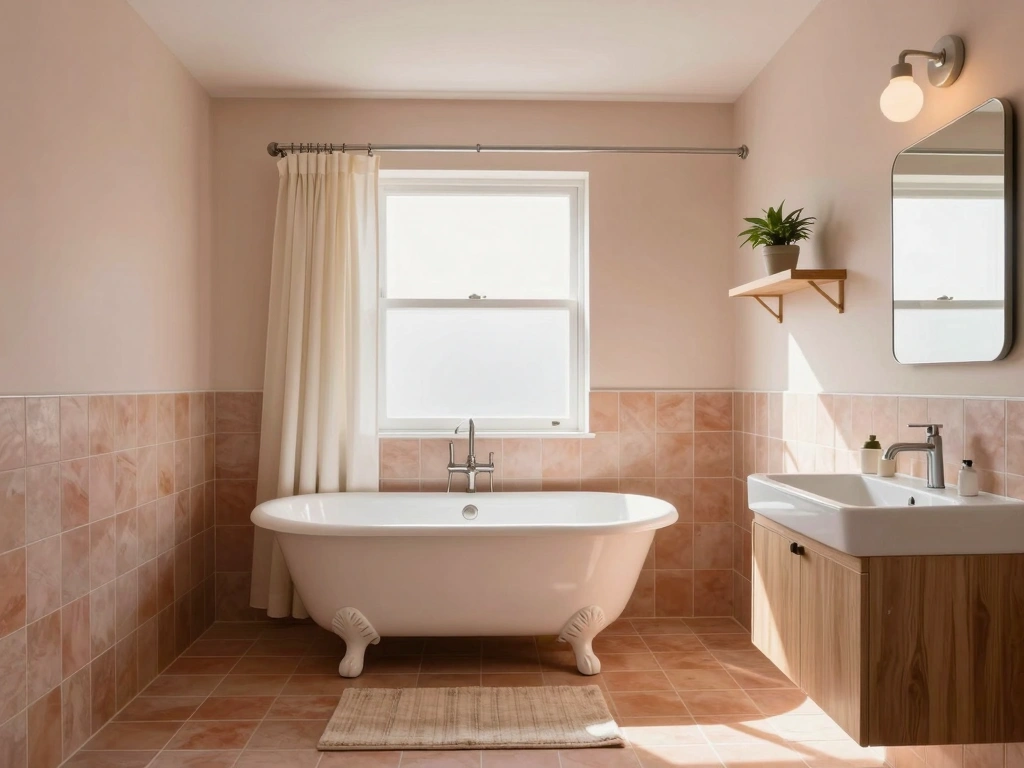
2026 is set to embrace warm, earthy tones contrasted with bold, vibrant accents. This shift allows homeowners to create spaces that feel both inviting and energizing, reflecting personal style while adhering to emerging design paradigms.
How much does hiring an interior designer cost in NYC?
The cost of hiring an interior designer in New York City varies significantly based on experience, project complexity, and scope of services. Generally, expect to pay an hourly rate ranging from $100 to $250 or a flat fee for the entire project.
What should I expect during the design process?
The design process typically begins with an initial consultation to discuss your needs and vision. Following this, designers will present concepts, get feedback, and refine to create the final design, which will be implemented with detailed project management.
Are custom furnishings worth the investment?
Investing in custom furnishings is often worth it due to the quality, durability, and personalization they offer. They are designed to meet specific needs and fit perfectly into your space, enhancing both functionality and style.
What are key design trends for small apartments?
Key design trends for small apartments include multifunctional furniture, maximizing vertical space with storage solutions, and using light colors to create the illusion of a larger area. Effective use of mirrors can also enhance light and space perception.
How does an interior designer add value to my home?
An interior designer adds value by transforming your space in a way that enhances livability and reflects personal style. Their expertise in design, function, and quality can lead to increased property value and a more enjoyable living environment.