
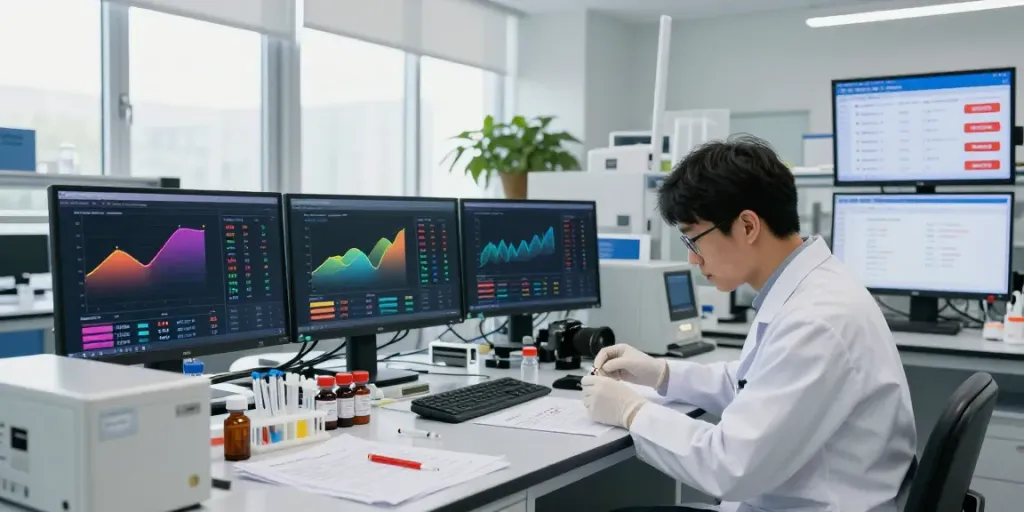
Understanding Pepti Prices
In the world of research and testing, understanding the various factors that influence pepti price is essential for anyone looking to make informed purchasing decisions. Prices for research peptides can vary significantly across different suppliers, influenced by factors such as purity, demand, and market dynamics. This guide aims to provide a comprehensive overview of the elements that affect pepti pricing and how to navigate this complex landscape effectively. When exploring options, pepti price platforms offer valuable insights to help streamline your decision-making process.
What Influences Pepti Price Fluctuations?
Pepti prices are not static and can fluctuate based on several key factors:
- Supply and Demand: Just like any other commodity, the balance of supply and demand significantly affects peptide prices. An increase in demand for specific peptides, either for research purposes or therapeutic applications, can drive prices higher.
- Purity Levels: The purity of peptides is often reflected in their pricing. Higher purity levels typically command higher prices due to the extensive production and testing processes involved.
- Supplier Reputation: Established suppliers with a strong track record of quality and reliability may charge a premium for their products, while lesser-known vendors might offer lower prices to attract customers.
- Regulatory Changes: Changes in regulations governing the sale and distribution of peptides can impact prices. Suppliers may raise prices to cover compliance costs or reduce them to remain competitive in a regulated market.
Research-Grade vs. Commercial Peptides: Price Comparison
When comparing peptide prices, it is crucial to distinguish between research-grade and commercial peptides. Research-grade peptides, often used in laboratory settings, are held to different standards than those intended for clinical or therapeutic use. This distinction can lead to price variations:
- Research-Grade Peptides: Typically, these are produced in small batches and require rigorous testing for purity and efficacy, resulting in higher costs.
- Commercial Peptides: Often mass-produced with varying quality standards, these peptides can be available at lower prices, but they may not meet the necessary criteria for research applications.
The Importance of Verified Suppliers in Pricing
Choosing a verified supplier is pivotal in ensuring you receive high-quality peptides at a fair price. Verified suppliers usually provide transparency about their manufacturing processes, testing protocols, and price structures. It is essential to look for suppliers who offer:
- Access to Certificates of Analysis (COAs)
- Clear information on sourcing and manufacturing practices
- Customer reviews and testimonials that indicate reliability
Key Features to Look for in Pepti Pricing Tools
When evaluating various tools for comparing pepti prices, certain features can significantly enhance the user experience and decision-making process. Here are some vital components to consider:
Real-Time Price Updates and How They Affect Decisions
One of the most valuable features of a pricing tool is the ability to access real-time updates on peptide prices. This ensures that you are always informed about the latest market prices and can make decisions based on current data. Tools that allow users to set alerts for price drops or notify them of ongoing promotions can facilitate smarter purchasing choices.
Understanding Coupons and Promotions for Better Savings
Many suppliers offer coupons or seasonal promotions that can significantly reduce overall costs. Pricing tools that aggregate information about available coupons and discounts can help users take advantage of these opportunities without spending excessive time searching each vendor's site individually.
User Experiences: Testimonials on Pepti Price Platforms
User testimonials can provide insight into the effectiveness of different pricing tools. Positive feedback regarding user interface, accuracy of information, and customer service should be weighted heavily when selecting a platform for price comparisons. Engage with community forums or reviews to find the most reputable sites.
Comparative Analysis of Leading Pepti Suppliers
In 2026, the landscape of peptide suppliers continues to evolve. Here’s what you need to know about the leading suppliers in the industry:
Top Suppliers in 2026: A Pricing Overview
Some of the top suppliers in the market today include:
- PeptidePrice.store: Offers a broad selection of research-grade peptides, real-time comparisons, and supplier reviews.
- PeptidePrices.com: Known for its comprehensive listings and detailed vendor insights.
- PeptidePlus.app: Provides innovative tools for pricing comparisons, focusing on user-friendly design and up-to-date pricing information.
Comparing Quality: Price vs. Purity Metrics
Price is not the only metric that should drive your purchasing decisions; purity also plays an integral role in the efficacy of peptides. High-quality peptides with verified purity will often justify a higher price point, especially for research applications where precision is key.
Customer Reviews: Impact on Supplier Pricing Strategies
Understanding customer reviews can shed light on how suppliers adjust their pricing strategies based on feedback. Suppliers that consistently receive positive reviews may be able to maintain higher prices, while others may need to lower prices to remain competitive.
Challenges in Pepti Price Comparison
Despite the availability of tools and resources, many challenges remain in accurately comparing pepti prices. It is crucial to be aware of these obstacles:
Common Misconceptions About Pepti Pricing
One common misconception is that lower prices always indicate lower quality. It is essential to evaluate the supplier’s reputation and product specifics rather than relying solely on price as an indicator of quality.
Obstacles in Ensuring Accurate Price Comparisons
Frequent fluctuations in peptide pricing can lead to discrepancies between listed prices and actual costs. Any pricing tool should be regularly updated to reflect these changes accurately.
Addressing User Pain Points in Pricing Tools
Many users express frustration over the lack of comprehensive information in pricing tools. Suppliers who provide thorough product descriptions, user guides, and generous return policies tend to enhance customer satisfaction.
Future Trends in Research Pepti Pricing
As the field of peptide research continues to advance, staying informed about future trends is essential for both researchers and consumers alike. Here are some expectations for the market moving forward:
How Emerging Technologies Are Shaping Pepti Prices
Innovations in peptide synthesis and formulation are set to disrupt traditional pricing models. Techniques such as machine learning for optimal synthesis pathways and automated quality control for more consistent outputs will likely streamline production processes and reduce costs.
Predictions for the Peptide Market in 2026
Experts predict that the peptide market will continue to grow substantially, driven by increased demand in pharmaceuticals and personalized medicine. As competition intensifies, consumers can expect to benefit from more competitive pricing and better quality control standards.
Innovations in Price Comparison: What to Expect
With the integration of artificial intelligence, future pricing tools may offer tailored recommendations based on individual user preferences and historical purchasing behavior, making it easier for users to find the best deals in real-time.
How much do peptides cost?
The cost of peptides can vary widely depending on the supplier, purity, and quantity purchased. On average, research-grade peptides can range from $20 to over $100 per milligram, with more complex peptides being at the higher end of the scale.
What factors affect peptide pricing?
Key factors influencing peptide pricing include market demand, purity levels, and the manufacturing processes involved. Understanding these factors can help buyers make informed decisions and optimize their purchasing strategies.
What are the best practices for comparing peptide prices?
Best practices for comparing peptide prices include using reputable pricing tools, checking for real-time updates, evaluating supplier reviews, and considering the total cost of shipping and handling when making a purchasing decision.
Why is it important to verify suppliers for peptide pricing?
Verifying suppliers is crucial to ensure the quality and integrity of peptides. Reliable suppliers provide transparency regarding their manufacturing processes and testing protocols, which helps prevent counterfeit products from entering the market.
How often do peptide prices fluctuate?
Peptide prices can fluctuate frequently due to changes in market demand, supplier competition, and production costs. Regular monitoring of price trends is essential for researchers to make cost-effective purchasing decisions.