
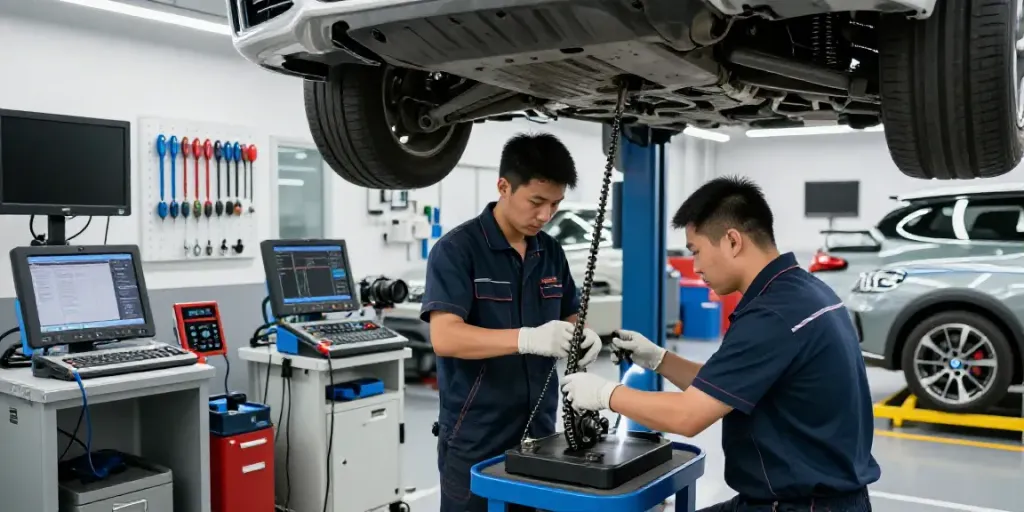
The Importance of Specialized BMW Services
When it comes to maintaining the legendary performance and luxury of BMW vehicles, specialized services are not just a luxury; they are a necessity. BMW owners understand that their cars require specific care from experienced professionals who understand the intricate details of these vehicles. This is where the bmw werkstatt hannover shines, offering tailored solutions that standard repair shops may struggle to provide.
Why Choose a BMW-Specific Workshop?
Selecting a BMW-specialized workshop is crucial for optimal automotive performance. Such workshops provide technicians with advanced training and OEM (Original Equipment Manufacturer) parts. This combination leads to better diagnostic accuracy, more reliable repairs, and often, enhanced longevity of vehicle components.
Understanding BMW Vehicle Maintenance Needs
BMW vehicles are equipped with sophisticated technologies that require expert knowledge for maintenance. Regular inspections, fluid changes, and component replacements should be conducted by professionals familiar with the nuances of BMW systems.
Common Repair Challenges Faced by BMW Owners
BMW owners often encounter unique challenges, such as diagnosing electronic faults or issues related to the vehicle’s performance tuning. Specialized workshops are equipped to handle these specific problems efficiently, ensuring that customers return to the road quickly and safely.
Expert Insights on Timing Chain Replacements
The timing chain is a critical component of any BMW engine, and its failure can lead to severe engine damage. Regular maintenance checks can help identify wear and tear before it leads to a complete breakdown.
Signs Your BMW Needs a Timing Chain Replacement
- Unusual engine noises, such as rattling or ticking sounds.
- Warning lights appearing on the dashboard.
- Rough engine performance or stalling issues.
Step-by-Step Timing Chain Replacement Process
Replacing a timing chain typically involves:
- Draining the engine oil and coolant.
- Removing the timing chain cover and associated components.
- Replacing the old timing chain and tensioner with new ones.
- Reassembling and ensuring all components are correctly aligned.
- Performing a final inspection and testing the engine.
Tools and Equipment for Effective Timing Chain Repair
Effective timing chain repair requires precision tools, such as torque wrenches, timing tools, and diagnostic equipment that ensure the engine runs flawlessly post-repair.
Maximizing Performance with Tuning Upgrades
Modern BMWs are known for their performance capabilities, but tuning upgrades can take this to an entirely new level. Specialized tuning enhances both power and efficiency, tailoring the vehicle's performance to the owner's preferences.
Benefits of Engine Tuning and ECU Remapping
- Increased horsepower and torque.
- Improved throttle response.
- Enhanced fuel efficiency.
How BMW Upgrades Enhance Power and Efficiency
Upgrades, like an ECU remap or performance exhaust systems, alter the vehicle's dynamics, allowing BMWs to not only perform better but also consume fuel more efficiently.
Customer Experiences: Real-World Tuning Results
Numerous BMW owners have reported significant improvements in driving experience and fuel economy after undergoing professional tuning, proving the effectiveness of these modifications.
DPF Cleaning: Essential for Diesel Engines
Diesel Particulate Filters (DPFs) are vital for emissions control; however, they can become clogged, requiring professional cleaning to restore functionality.
Understanding DPF Functionality and Importance
DPFs capture soot and other particulates from diesel exhaust. Regular cleaning prevents blockages that can lead to engine performance issues and costly repairs.
Signs of a Clogged DPF and Their Impact
- Increased fuel consumption.
- Loss of power and sluggish acceleration.
- Dashboard warning lights.
Best Practices for DPF Maintenance
Routine maintenance, including periodic cleaning, can prolong the lifespan of a DPF and ensure the vehicle operates efficiently, reducing long-term costs.
Future Trends in BMW Maintenance and Repair
The landscape of BMW servicing is evolving rapidly with advancements in technology and increasing customer expectations.
Emerging Technologies in Automotive Repairs
From advanced diagnostic tools to new materials for repairs, emerging technologies are revolutionizing the way services are delivered, making them more efficient and effective.
Expectations for BMW Service in 2026 and Beyond
As electric vehicles become mainstream, BMW service centers will adapt to these changes by training staff on electric vehicle technologies and innovations.
Preparing for Changes in Automotive Industry Standards
Workshops will need to prepare for stricter emissions regulations and the integration of advanced driver-assistance systems (ADAS) into regular maintenance protocols.
What should I expect during my first visit to a BMW Werkstatt?
Your initial visit should include a thorough diagnostic assessment, a detailed explanation of potential repairs, and a transparent estimate of costs.
How often should I have my BMW serviced?
Regular servicing is recommended every 10,000 to 15,000 miles or annually, whichever comes first, to keep your BMW in peak condition.
Are aftermarket parts a good option for BMW repairs?
While aftermarket parts can save money, they often compromise quality. It's wise to discuss your options with a specialist before proceeding.
What kind of warranty do BMW service repairs come with?
Most reputable workshops offer warranties on parts and labor, providing peace of mind for vehicle owners.
How can I improve my BMW's fuel efficiency?
Simple measures such as regular maintenance, proper tire inflation, and moderate driving habits can significantly enhance your BMW's fuel efficiency.