
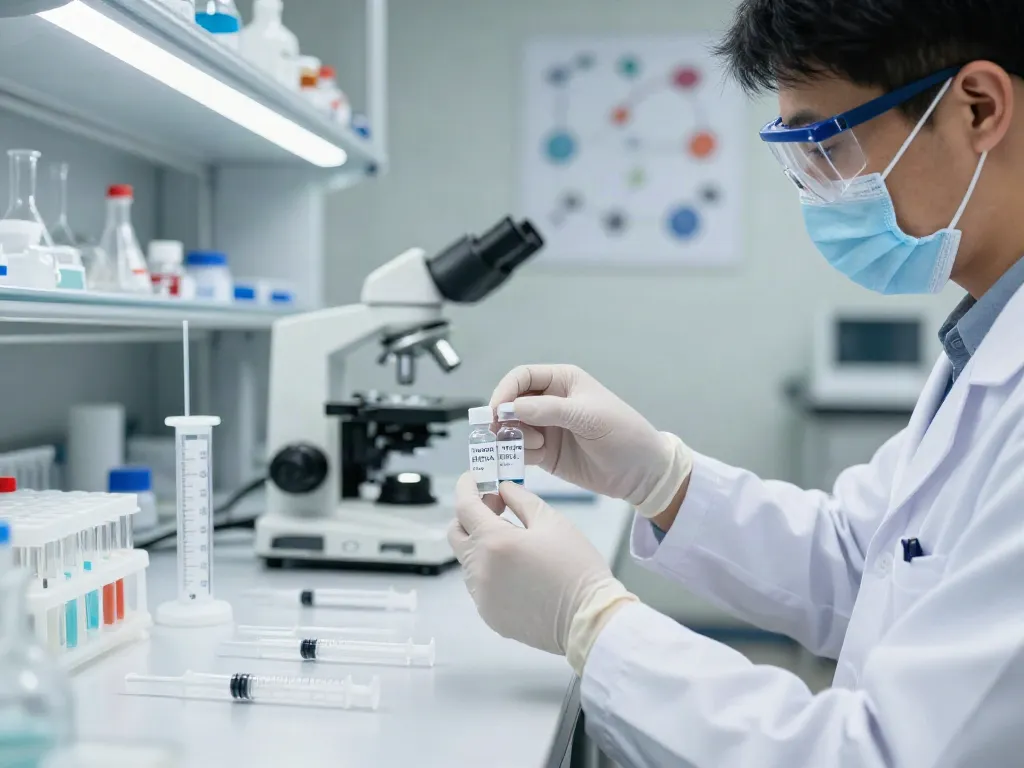
Understanding the Role of 3ml Bac Water in Research
Bacteriostatic water, particularly in 3ml vials, serves a critical function in various scientific and medical fields. This sterile solution, which contains 0.9% benzyl alcohol, is widely utilized to dilute and reconstitute drugs, peptides, and other compounds in laboratory settings. The unique properties of 3ml bac water make it an ideal choice for researchers needing a reliable diluent. When exploring options, 3ml bac water provides comprehensive insights into the appropriate usage and benefits of this essential laboratory product.
What is Bac Water and Its Composition?
Bacteriostatic water is a sterile water solution specifically designed for medical and laboratory use. Composed primarily of purified water, it also includes 0.9% benzyl alcohol, which acts as a preservative to inhibit bacterial growth without eradicating existing bacteria. This composition ensures that the product remains effective and safe for multiple uses within controlled environments, providing researchers with the peace of mind that their materials are protected from contamination.
Uses of 3ml Bac Water in Laboratory Environments
3ml bac water is predominantly used in laboratories for the reconstitution of lyophilized (freeze-dried) substances, particularly peptides and some medications. It provides a sterile medium that allows researchers to safely dissolve powdered compounds, making them ready for injection or further experimentation. Notably, its small volume makes it perfect for calculations requiring precision when dealing with small dosages, common in peptide therapies where exact measurements are critical.
Comparison with Other Diluents: Why Choose Bac Water?
While various diluents are available for laboratory use—including saline and sterile water—bacteriostatic water offers distinct advantages. The presence of benzyl alcohol helps to prolong the shelf life of reconstituted solutions, making it a more convenient choice for compounds that are sensitive to bacterial contamination. Furthermore, due to its ability to assist in maintaining the stability of reconstituted solutions, bac water is often favored in clinical settings where purity and efficacy are paramount.
Benefits of Using 3ml Bac Water for Peptide Reconstitution
How Does 0.9% Benzyl Alcohol Help?
The inclusion of 0.9% benzyl alcohol in 3ml bac water serves a dual purpose: it acts as a bacteriostatic agent and helps to preserve the integrity of the peptides during storage. This composition minimizes the risk of contamination and extends the usability of the reconstituted product. For researchers, it means fewer disruptions in ongoing experiments and a reduced risk of unexpected variables influencing results.
Impact on Stability and Efficacy of Reconstituted Solutions
Using 3ml bac water can significantly impact the stability and efficacy of reconstituted peptides. Research indicates that solutions reconstituted with bacteriostatic water exhibit lower degradation rates over time compared to those reconstituted with plain water or saline. This stability is crucial for experiments that rely on the precise biological activity of peptides, especially in pharmacological and therapeutic contexts.
Best Practices for Storing and Handling Bac Water
To ensure the maximum efficacy and longevity of 3ml bac water, proper storage practices are essential. It is recommended to store the vials in a cool, dark place, away from direct sunlight. Furthermore, once opened, vials should ideally be used within a specific timeframe as dictated by the manufacturer's guidelines to prevent any potential contamination. Labeling and tracking usage dates can also help maintain quality control in laboratory environments.
Common Misconceptions About 3ml Bac Water
Debunking Myths: Is Bac Water Unsafe for Use?
One of the prevalent misconceptions surrounding 3ml bac water is that it poses safety risks due to its bacteriostatic properties. In reality, when used as directed, bac water is an essential and safe component of medical and research practices. Its design specifically caters to controlled environments where sterility and safety are non-negotiable aspects.
Understanding the Shelf Life and Expiration of Bac Water
Like many sterile products, bac water has a defined shelf life, typically listed on the packaging. Knowing this expiration date is crucial for researchers to ensure that they’re always using high-quality materials. After the expiration date, the effectiveness of the bacteriostatic agent diminishes, potentially compromising the integrity of compounds reconstituted with older solutions.
Frequently Asked Questions from New Users
- How much BAC water for a 3 ml vial? Generally, the amount of bac water added depends on the specific product requirements, but typically 1-2 ml is sufficient for reconstituting most peptides.
- Where can I get 3ml BAC water? 3ml bac water is readily available from various suppliers, including research chemical companies and pharmaceutical suppliers.
- What are the benefits of using bacteriostatic water? The main benefits include its ability to reduce bacterial growth, prolong the stability of reconstituted solutions, and maintain the efficacy of various compounds.
Practical Applications of 3ml Bac Water in Different Industries
Usage in Pharmaceutical Research and Development
In pharmaceutical R&D, 3ml bac water plays a pivotal role in the formulation of injectable drugs. Researchers rely on this diluent for precise and accurate preparation of pharmaceuticals, where even minor deviations can impact clinical outcomes. The adaptability of bac water also allows it to be employed in diverse research areas, enhancing the overall productivity of drug development pipelines.
Role in Clinical Trials and Patient Care
During clinical trials, maintaining the highest standards of sterility is essential. 3ml bac water supports this need by providing a reliable means of preparing injectable therapies for trial participants. Additionally, in patient care settings, such as for administering peptide therapies, the use of bac water ensures that health professionals can confidently deliver safe and effective treatments.
How 3ml Bac Water Supports Veterinary Medicine
3ml bac water is not limited to human applications; it is also crucial in veterinary medicine. Bacteriostatic water is often used to prepare medications for animal treatment, ensuring that the same qualities that benefit human medicine extend to veterinary practices. This broadens the scope of applications and emphasizes the importance of quality-controlled diluents across different fields of health care.
Future Trends in Bacteriostatic Water Supply and Usage
Emerging Developments in Laboratory Technologies
As laboratory technologies advance, the methods and materials used in research practices will inevitably evolve. Innovations in storage solutions and delivery methods for bac water may arise, allowing researchers to utilize these resources more effectively, with enhanced safety protocols. Future developments may also focus on biodegradable or eco-friendly packaging options, aligning with broader environmental goals in scientific research.
Predicted Changes in Regulatory Standards by 2026
With the global focus intensifying on safety and efficacy, regulatory bodies are expected to implement more stringent standards for bacteriostatic water production and usage. By 2026, researchers might anticipate revised guidelines ensuring greater transparency and quality assurance in their procurement processes, emphasizing the importance of traceability in all laboratory supplies.
What to Expect for Bac Water Supply Chains
The supply chains for 3ml bac water are likely to adapt in response to both demand fluctuations and regulatory changes. Increased focus on research efficiency means that suppliers may implement more streamlined logistics, reducing delivery times and enhancing product availability. Enhanced tracking technologies could also emerge, promoting better inventory management practices across laboratories.